
TRENDING
March 9, 2026
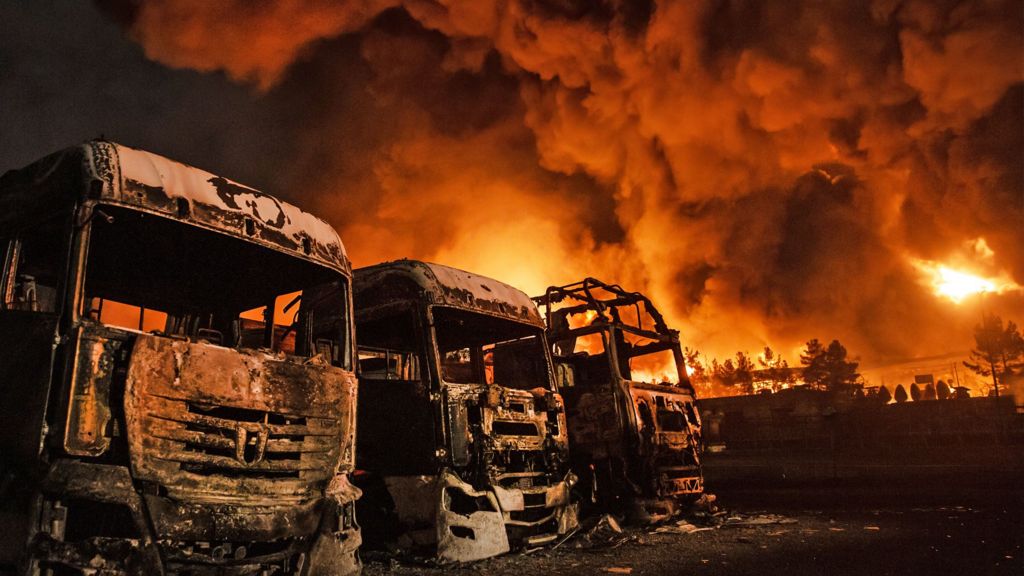
G7 nations will hold an emergency meeting on Monday to discuss surging oil prices as crude jumped above $100 a barrel and stock markets slumped over the escalating US-Israeli war with Iran.
Finance ministers from leading industrialised countries, including UK Chancellor Rachel Reeves, will gather this afternoon to discuss the economic impact of the conflict.
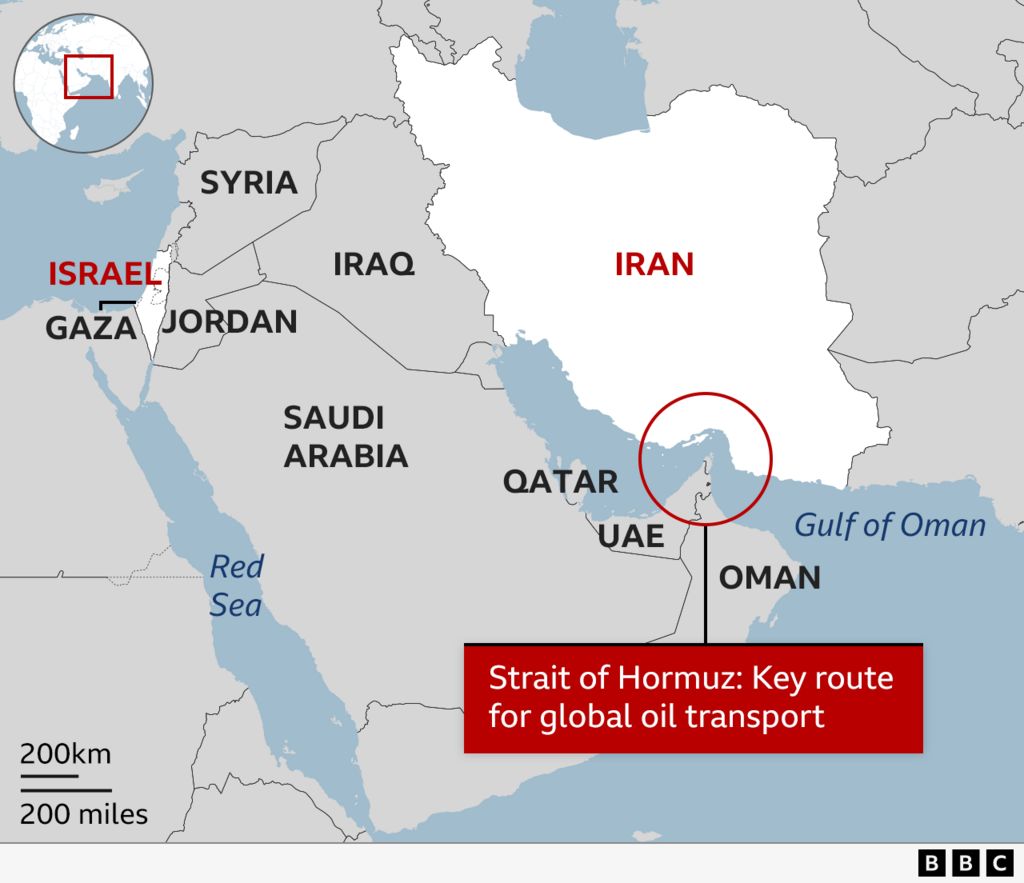
Global oil prices reached as high as $120 over fears of a prolonged disruption to energy supplies through the key Strait of Hormuz shipping route.
The Financial Times reported that the G7 meeting would discuss a joint release of petroleum from reserves co-ordinated by the International Energy Agency.
Major disruption to energy supplies from the region threatens to push up prices for consumers and businesses around the world.
About a fifth of the world’s oil supply is usually shipped through the Strait of Hormuz. But traffic through the narrow passage has all but halted since the war started a week ago.
On Sunday, Iran named Mojtaba Khamenei to succeed his father Ali Khamenei as Supreme Leader, signalling that more than a week into the conflict hardliners remain in charge of the country.
The US and Israel launched fresh waves of airstrikes across Iran over the weekend, hitting multiple targets including oil depots.
On Monday morning in Asia, the price of Brent crude jumped by more than 25% to touch $119.50 a barrel at one point before falling back to around $109.
US West Texas Intermediate (WTI) crude saw similar movements and was trading at about $104 a barrel.
Stock markets in the Asia-Pacific region fell sharply. Japan’s Nikkei 225 index fell more than 7% at first before closing down 5.2%.
South Korea’s Kospi index, which has been hit especially hard since the conflict began, sank by more than 8%, triggering a 20-minute halt to trading.
The so-called circuit breaker is a mechanism designed to curb panic selling. The Kospi eventually closed down 6%.
Adnan Mazarei from the Peterson Institute for International Economics said the jump in oil prices was expected, given how production has been halted in some Gulf countries and the signs of a prolonged conflict in the region.
“People are realising that this won’t end quickly,” he said, adding that the promises of insurances and objectives laid out by the US are “becoming more unrealistic.”
US President Donald Trump has repeatedly dismissed concerns over rising oil prices, most recently on Sunday when he posted on his Truth Social platform: “Short term oil prices, which will drop rapidly when the destruction of the Iran nuclear threat is over, is a very small price to pay for U.S.A., and World, Safety and Peace. ONLY FOOLS WOULD THINK DIFFERENTLY!”
His energy secretary told US broadcasters on Sunday that Israel, not the US, was targeting Iran’s energy infrastructure, amid some concern about rising domestic pump prices caused by the war.
Additional reporting by Osmond Chia