
LATEST
TRENDING
TRENDING
U.S. Military Aid to Ukraine: Rising Uncertainty Under Trump in Office
- Uncategorized
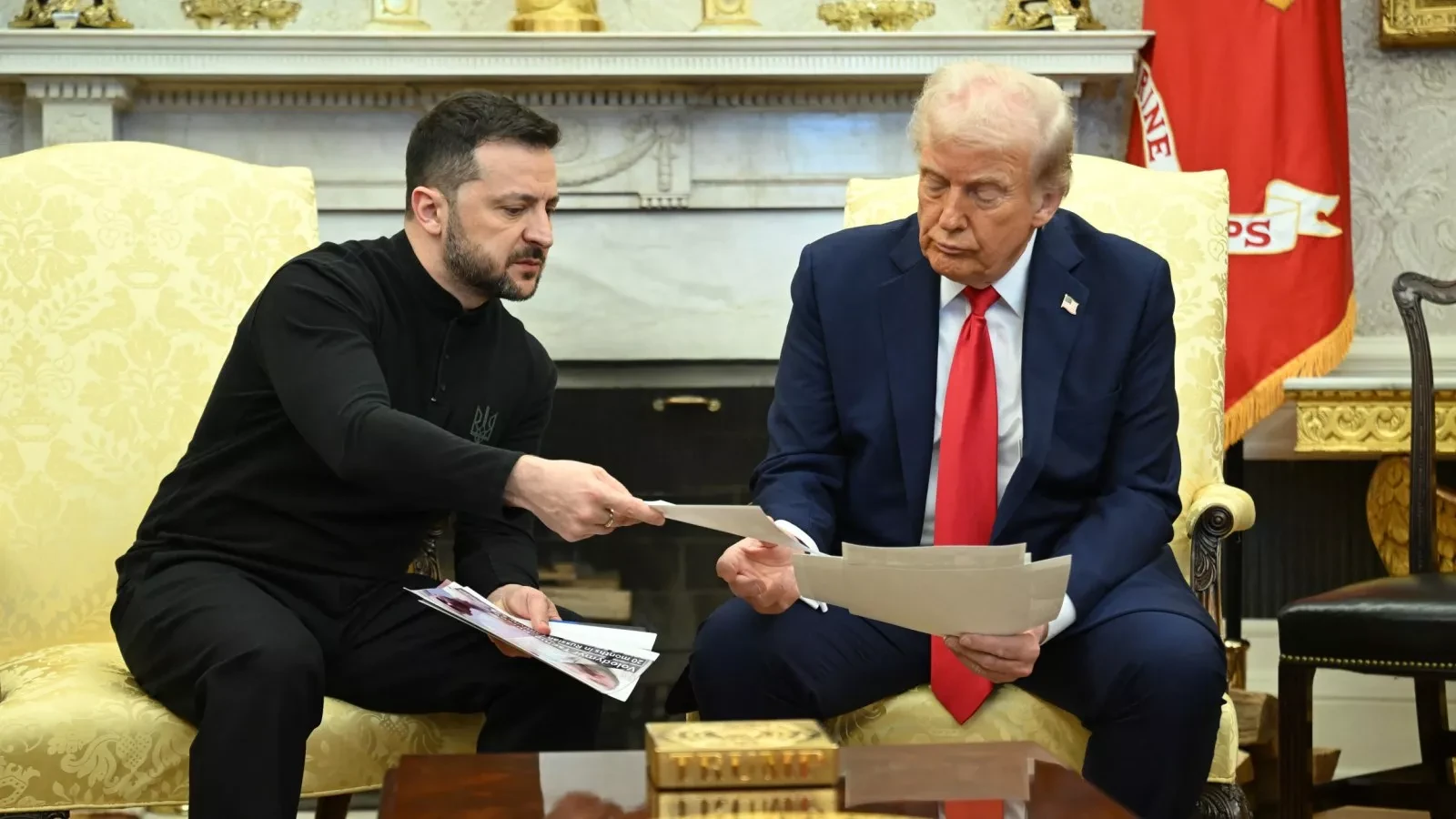
A recent shake-up in U.S. foreign policy sent ripples through global observers: former President Trump, now back in office, abruptly halted a critical shipment of air-defense ammunition and armored vehicles intended for Ukraine. This sudden shift came without warning—from a White House that had previously signaled support—leaving U.S. defense and foreign policy experts scrambling to assess the implications. Military analysts warn that Ukraine is now dangerously short on air-defense munitions amid intensifying Russian strikes on civilian infrastructure.
Questions loom over Trump’s strategy. Critics, including Pentagon insiders, argue the decision signals erratic policy‑making: pausing support one week, hinting at renewed shipments days later. Military and political intelligence structures, once rooted in formal review and national security consensus, appear sidelined amid sudden directives from a highly personalized, improvisational executive branch. Observers note the absence of a fully staffed national security apparatus—Trump has yet to appoint key advisors, and high turnover is evident.
Against this backdrop, Philadelphian defense analyst Dr. Linda Torres cautions: “Without a clear game plan or reliable advisers, Ukraine could be left exposed at a critical juncture.” With President Trump suggesting later that aid may resume, uncertainty persists. U.S. Congress—traditionally supportive of Ukraine—looks to the coming days for clarification. The evolving situation may force lawmakers to act, potentially invoking legislative moves to enforce or block further aid.
For Kyiv, the immediate concern is replacing lost supplies and weathering the next wave of Russian activity—something they say U.S. air defenses have helped deter. For Washington, the stakes are geopolitical: diminishing support could sever longstanding NATO backing and spark turmoil on Capitol Hill, where bipartisan hawks in both chambers harbor deep reservations. As the world watches, all eyes remain on whether formal channels restore aid—or if U.S. policy turns again on a whim.